

The Leisure Roundup: Designing Belonging at Scale
The social “we” of sports clubs, Proper’s recovery rooms, and Mexico’s community-tourism network show how leisure operators can turn belonging, wellbeing, and local ownership into durable experiences.

Social wellness has been a massive trend of the past decade. But so far, most of what we have seen is still in its infancy. I describe “social wellness 1.0” as this first generation of clubs, facilities and offerings, which expand wellness from an individual pursuit to more of a social one. But these early offerings rely on the participant to bring their own social network to the experience.
Now, we are seeing a new wave of “social wellness 2.0” offerings emerging. The next wave of wellness institutions are not places to bring our community; they are places to form one. This next generation of social wellness institutions will actually help participants to build new social ties and relationships, simultaneously improving health and quality of life.
A good example of this is SOZO Clubs, a new social fitness club being built on “the business of belonging”:
In this interview, SOZO CEO Herb Lipsman shares how they are bringing more intention into the community and relationship-building aspects of a membership club. SOZO is a prime example of this next wave, and we should expect to see many more wellness and hospitality businesses emerging that are cracking the code on social wellness 2.0.
Enjoy this week’s roundup,
Jeremy


🦉 Philosophy & Culture
A Sports Club Is a Place to Practise “We”
The Miracle Inn’s Morgan Phillips argues that grassroots sport is more than activity: clubs are third places where people build friendship, usefulness, and the social muscles needed for collective life. For leisure leaders, the point is to treat clubhouses, courts, playing fields, and shared routines as social infrastructure—not merely assets to maintain or programs to fill. (The Observer)
“A training session may simply look like an hour of exercise, but it can also be an hour in which a teenager makes friends, a parent gets to know other parents, a volunteer feels useful, and people who might otherwise never meet become part of the same community.”
A Tennis Court Is a Cultural Landscape
Landscape Architecture Magazine follows the USTA’s Future Courts competition, which treats the tennis court as a cultural and civic institution that can express a place’s climate, heritage, and social rhythms. The participants reimagine the future of tennis with community and culture at the core. (Landscape Architecture Magazine)

🔬 Science & Psychology
Outdoor Access Drives Movement Activity
The European Commission’s 2026 survey finds more people exercising several times a week, with parks and outdoor spaces still the leading venue, while health and fitness facilities and active commuting have gained ground. Leisure designers should plan for a blended movement ecosystem—outdoor access, convenient facilities, and active routes. (European Commission Eurobarometer)
Design Movement for the Recovery Journey
A Washington University study of more than two million U.S. adults found that cancer survivors remained less physically active than adults without a cancer history, despite activity improving in both groups. Fitness, wellness, and community-recreation operators can respond with adaptable entry points, confidence-building staff support, and social accountability. (Washington University in St. Louis)
“Regular physical activity is important to everyone, but even more so for cancer survivors.”
📈 Business & Strategy
Make the Community Easy to Share
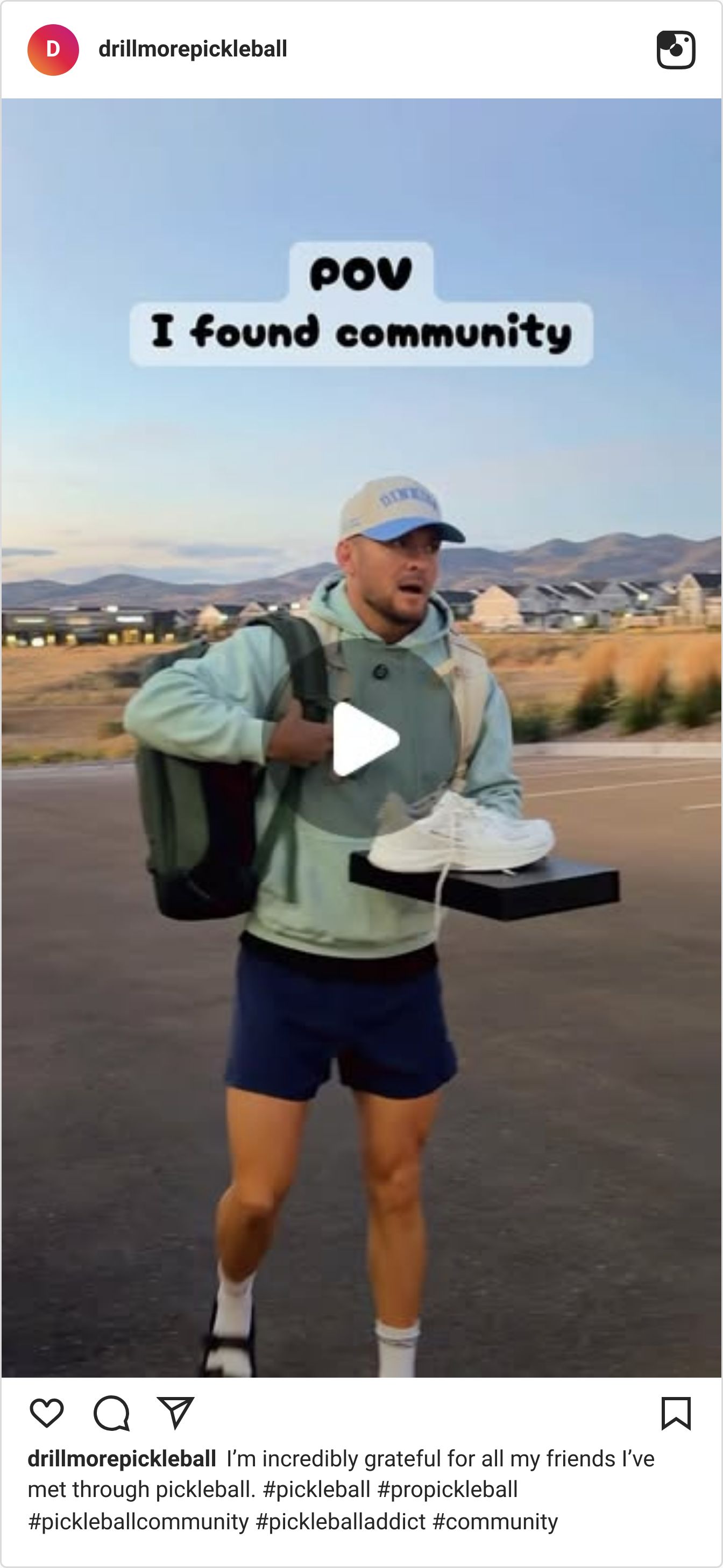
At Utah’s Premier Pickleball, complimentary creator memberships, easy filming, event access, and court-level replay tools help local players document the club’s real social life. It’s a good example of how creator workflows and community programming can amplify discovery—while keeping the experience genuinely local. (The Dink)
The Rise of the Recovery Suite
Proper Hospitality is converting selected hotel rooms into hour-bookable recovery suites and using ClassPass to introduce local users to the broader hotel offerings, alongside memberships and guest stays. The model gives resorts and hotels a practical route to monetize wellness beyond overnight occupancy while building a local customer base that can return for classes, food, events, and membership. (Proper Hotels)

✨ Innovation & Design
Hospitality Innovation Gets a Technology Lens
Radical Innovation’s 2026 finalist program adds a dedicated Technology category alongside project and product concepts, reflecting the tighter coupling of guest experience, operations, and digital capability. (Radical Innovation)
Build the Backstage for Better Parks
CivicPlus maps a parks-and-recreation technology stack that spans online registration, connected asset monitoring, mobile issue reporting, and carefully governed AI service tools. In an age of rapidly changing tech, every leisure operator has an opportunity to improve their business and guest experience by joining maintenance, scheduling, payments, and communications behind the scenes. (CivicPlus)
🌍 Destinations & Communities
Mexico Drives Evidence-Based Community Tourism
Mexico’s new community-tourism research network brings authorities, universities, cooperatives, producers, and service providers together, backed by 53 projects across 30 institutions and impact measures that go beyond arrivals and visitor spend. Destination creators can take the cue to build governance and evaluation around resident benefit, cultural stewardship, and environmental outcomes. (UNESCO)

Growth Is Opportunity, but also Challenge
The World Economic Forum’s 2026 Travel & Tourism Development Index argues that destinations must convert record travel demand into lasting value through stronger management, local supply chains, workforce capacity, and social license. For destination and resort leaders, the challenge is to design visitor growth around the carrying capacity and lived experience of the host community. (World Economic Forum)
“Without stronger investment and destination management, there is a risk that tourism growth will place greater strain on the very communities and assets on which its long-term success depends.”

Featuring exciting updates from Leisure Alchemy clients and partners.
Technogym Connects Clubs to Global RUN X Event
The Treadmill Becomes a Community Gateway
RUN X’s Club Finder lets runners locate participating gyms for a global 5K championship, giving facilities a reason to host qualifying events, connect with local running clubs, and make indoor training feel socially competitive. For fitness and leisure operators, it shows how a connected competition can turn existing cardio space into a recurring community ritual—and a measurable acquisition and retention channel. (Athletech News)

What does your ideal wellness community look like?
How did you find this week's Roundup?
Did someone forward you this email? You can subscribe here: